
When we first arrived at Homestead Hill, even before we bought it, the sheer wall of wild brambles was one of our biggest challenges (and fears). While brambles eventually reward us with delicious summer fruit, unmanaged bramble swallow pathways, trees, and entire garden beds.
By now, Gaby has spent uncountable hours physically cutting back these thorny giants. If you are also restoring an overgrown property in Le Marche and wondering how to manage these plants naturally, here is what we have learned about taming them.
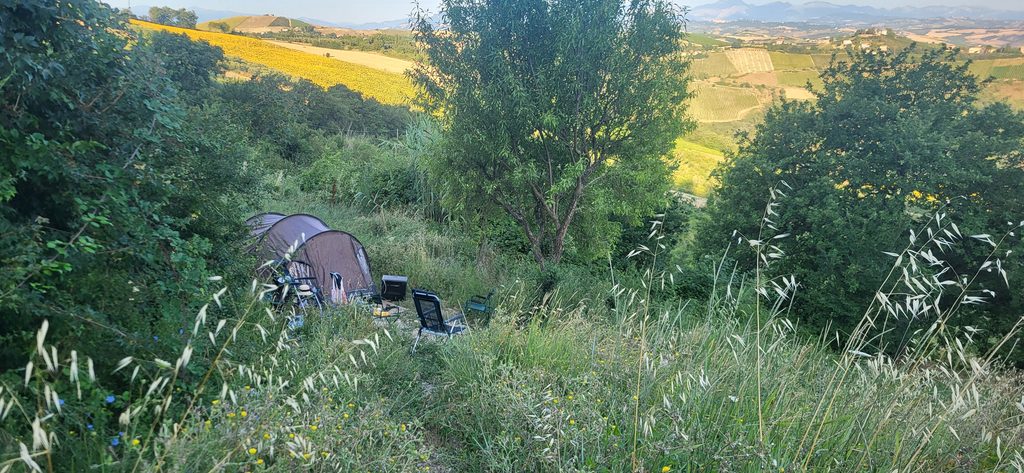
Our very first days at Homestead Hill. We believe we saved some of our trees from being strangled by brambles!
How to clear brambles without chemicals
Our primary method for permanently removing unwanted brambles is the cut and cover technique. It is labor-intensive, but it is a reliable way to clear land organically without poisoning the soil:
- Cut to the ground: using heavy-duty loppers, secateurs, or a brushcutter with a mulching blade, chop the brambles down as close to the soil as possible.
- Dig out major crowns: where possible, dig out the largest woody root crowns to stop them from bouncing back immediately.
- Cover and smother: instead of spraying herbicides, cover the cleared area with thick, light-blocking materials; our biggest farming cost so far might be heavy-duty tarps. By blocking all sunlight, you starve the remaining root system.
- Be persistent: bramble roots are stubborn. You will likely see pale new shoots trying to sneak out along the edges of your cover. Snip them off immediately so the plant cannot photosynthesize and rebuild its energy reserves.
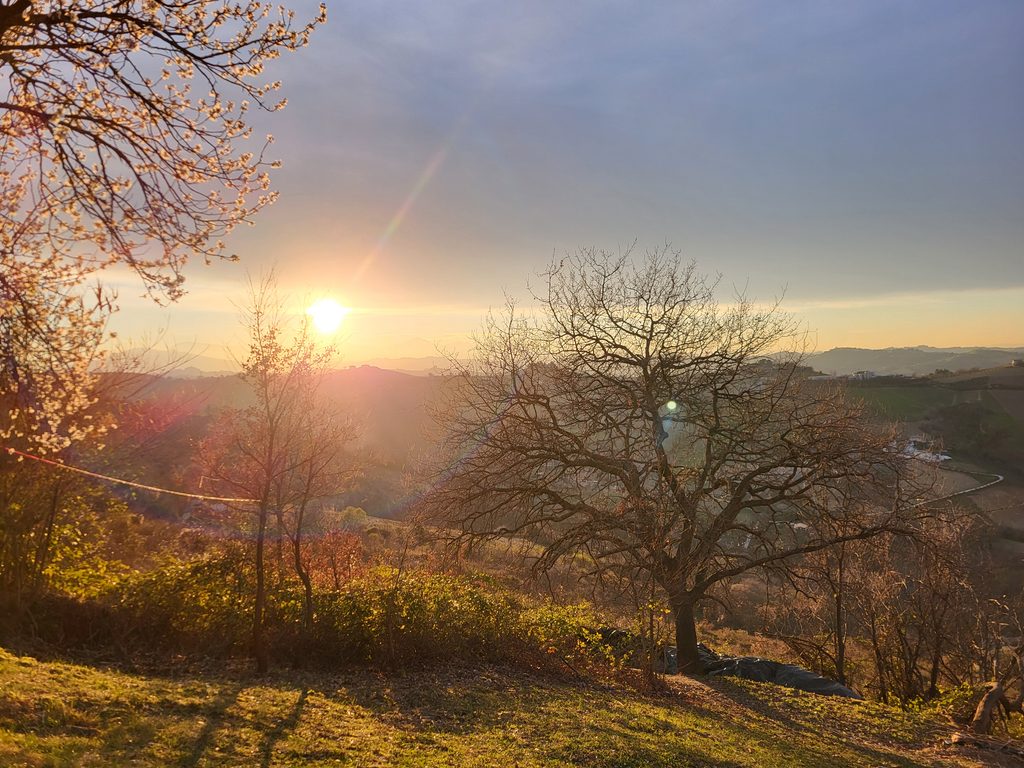
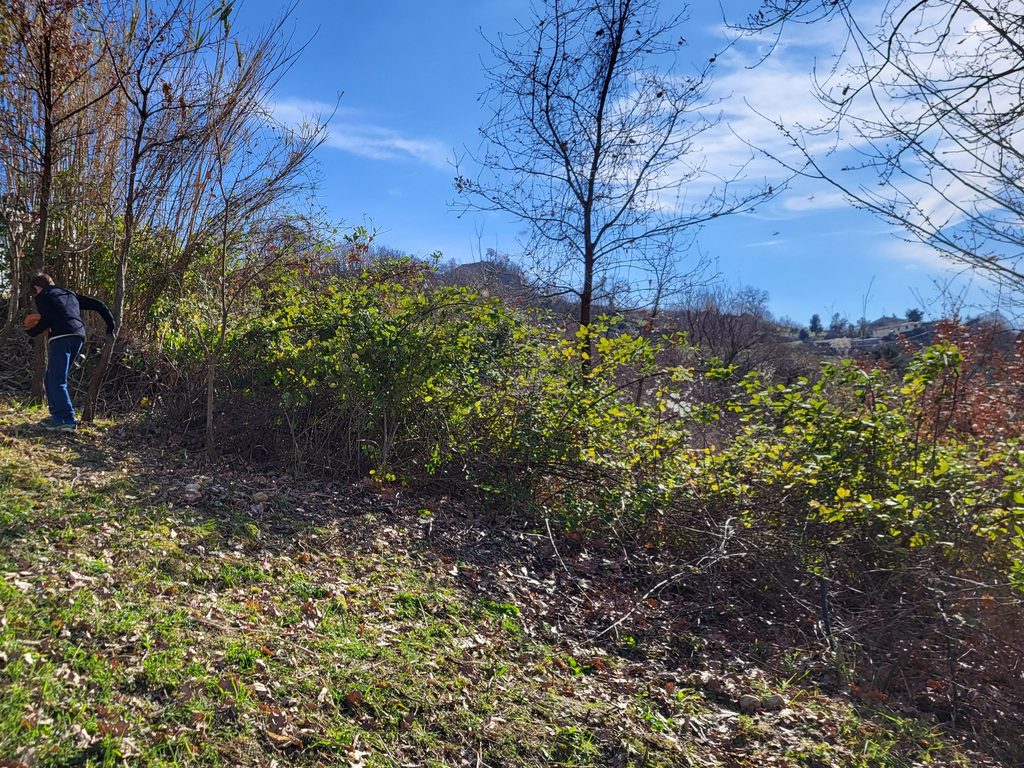
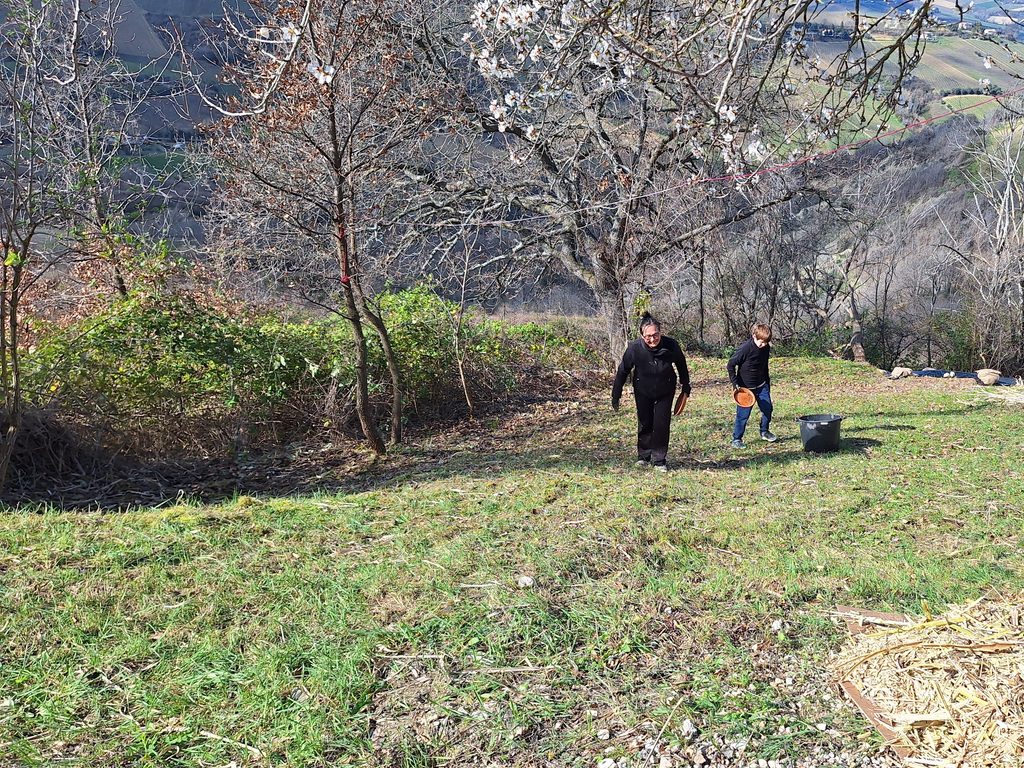
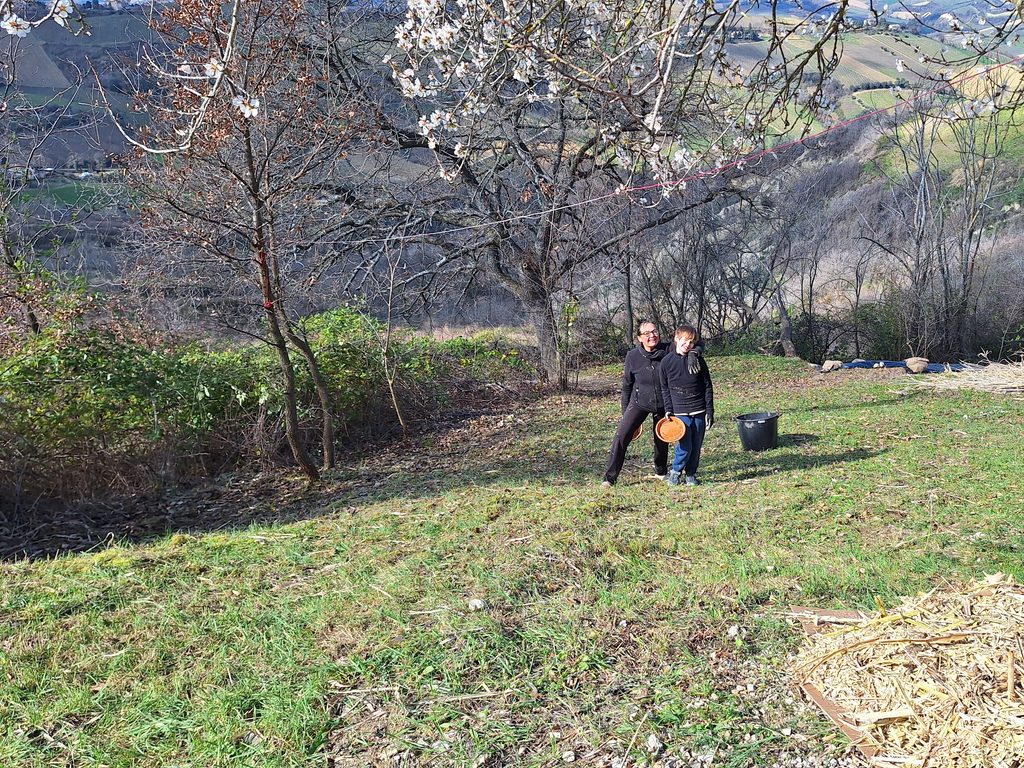
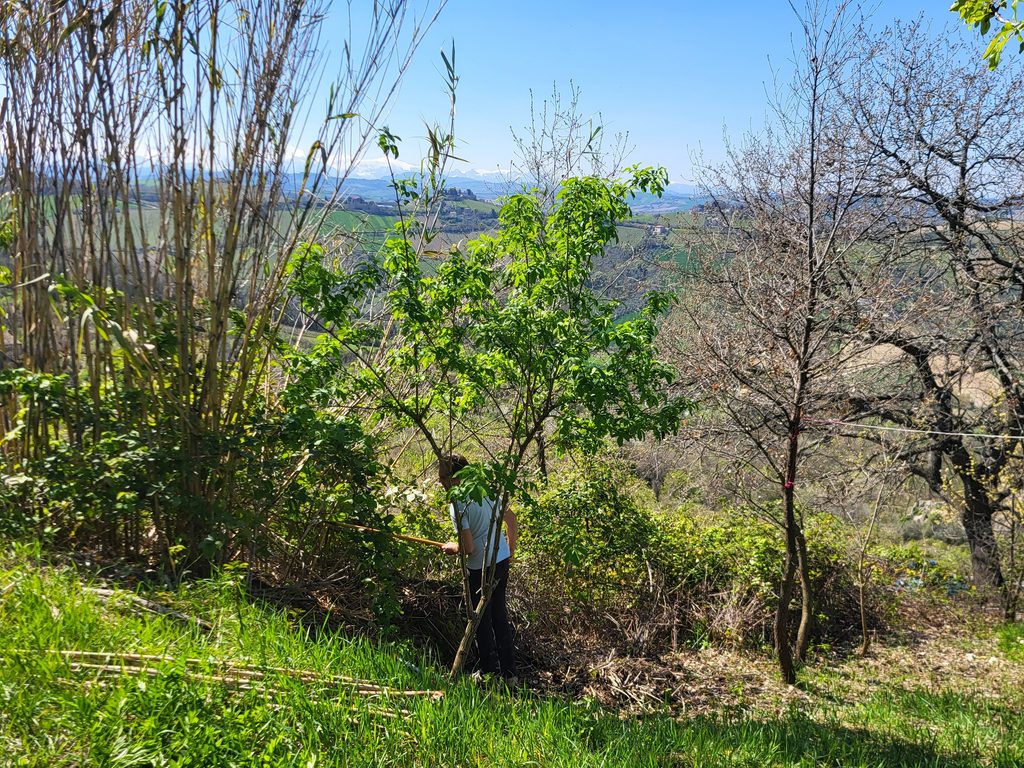
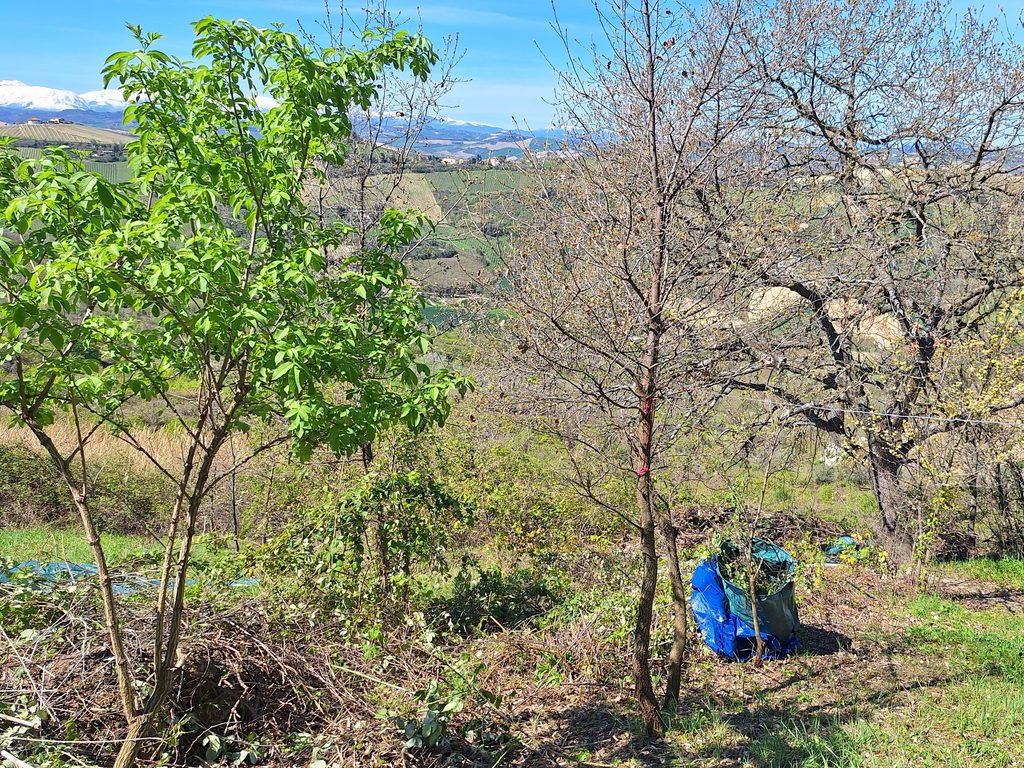
During sunset, everything looks perfect here at Homestead Hill.. but when you are close, you know you have to tame this.. and you know it will not be easy.
How to compost bramble cuttings safely without spreading roots
Once you have cleared a patch, you are left with a mountain of thorny canes and roots. A common mistake is tossing fresh brambles straight into a standard compost heap, where stem nodes and root pieces can easily take root and spread across your garden. Here is how we process the cuttings safely:
- Separate roots from canes: never put fresh root crowns into your regular compost pile. Set them aside to dry out completely.
- Sun-bake until brittle: spread the cut thorny branches out in a sunny, dry spot, on a tarp or hard surface, where they cannot touch bare soil. Under the Italian sun, they will turn brown, dry, and completely lifeless within a week.
- Chop or shred: once the canes are dead and brittle, run them through a garden shredder. Smaller pieces break down much faster and will not snag your fork when you turn the pile later.
- Use a hot compost pile: add the dried, shredded canes to an active, hot compost pile mixed with green nitrogen-rich materials (like grass clippings or kitchen scraps). The internal heat finishes breaking down the tough woody fibers and destroys any lingering seeds.
When to cut back
We are not removing every single bramble on our hill: fresh wild blackberries are one of the best perks of summer here. Our goal is to keep them confined to specific, manageable hedgerows. We are slowly finding the balance between a cared-for homestead and the wild, natural character of our hill. It takes patience, sturdy leather gloves, and a lot of sweat, but shaping a place dove vuoi essere makes every scratch worthwhile.
We found out that the best time to drastically prune or clear brambles is during late autumn or winter. The plants are dormant, the leaves have thinned out so you can see where the stems meet the ground, and bird nesting season is completely over.
In Le Marche, wild blackberries ripen under the hot summer sun. Late July through August is the ideal window to grab a bucket, wear thick sleeves to brave the thorns, and harvest berries for morning yogurt.
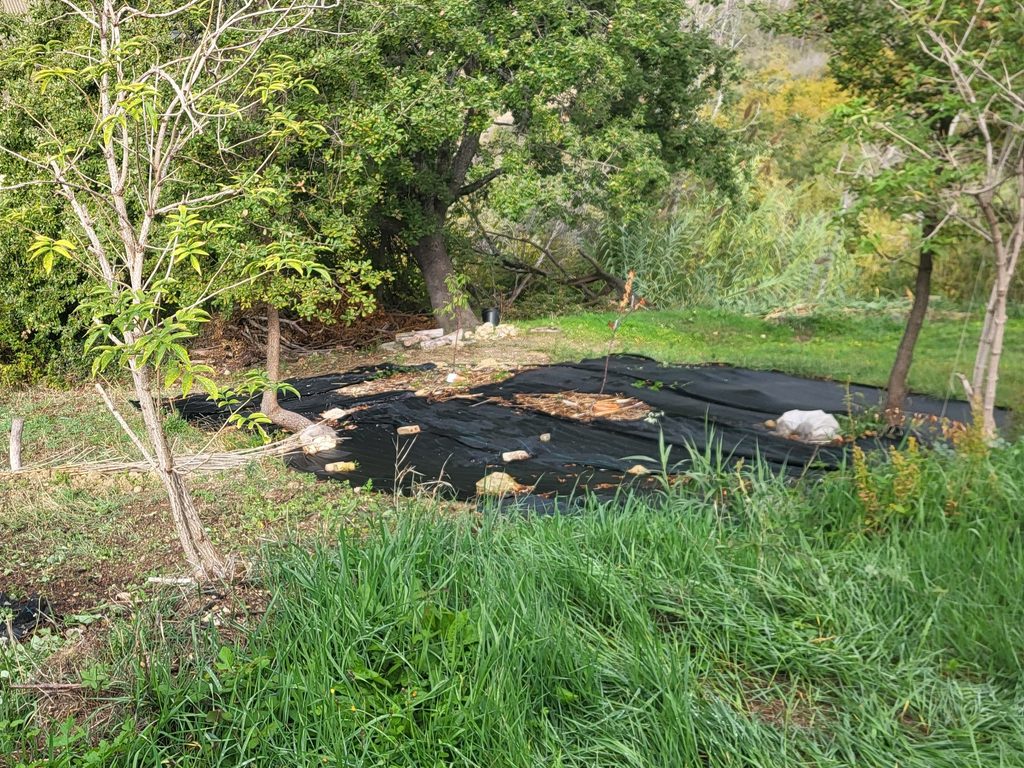
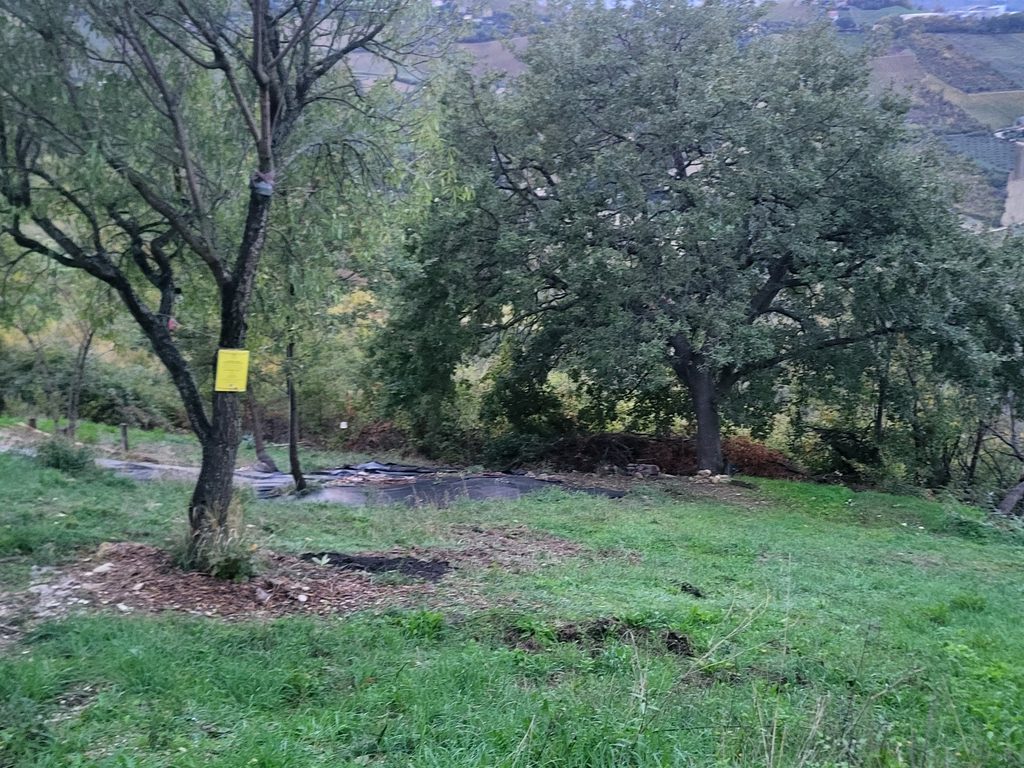
Right now, we have another 50m2 prepped for 2 young (cherry) trees and saved our large oak and almond tree from being strangled.